How to Become Funnier Without Losing Confidence

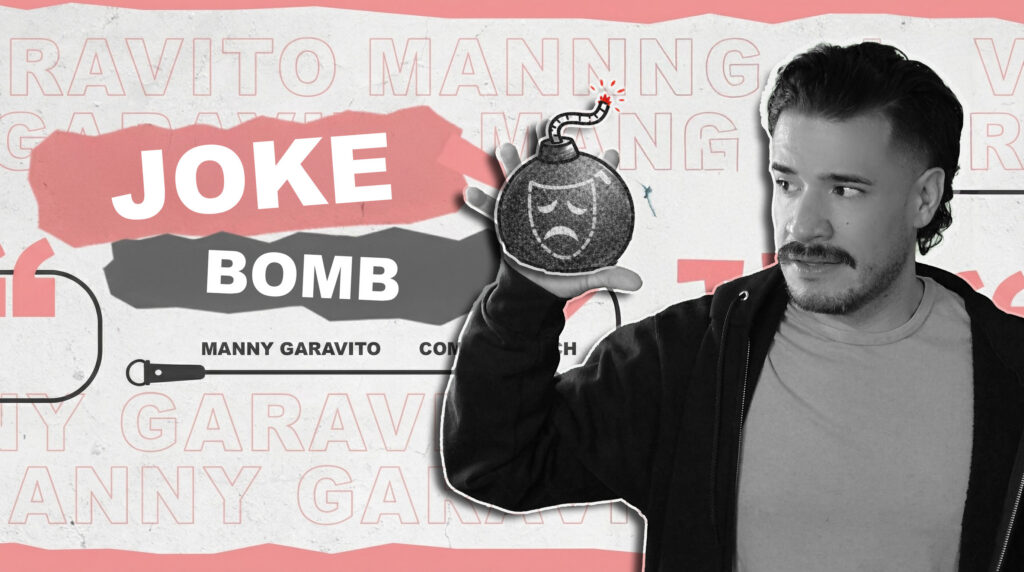
How to Become Funnier Without Letting Rejection Break You
Trying to become funnier sounds bold and exciting until you actually start doing it.
The moment you publicly decide you want to be known as funny, something shifts. The room feels different. The comments feel different. The silence feels louder.
And that is exactly where the real work begins.
If you searched “how to become funnier,” you are not just looking for better punchlines. You are looking for confidence. Presence. Social freedom. You want to walk into a room relaxed instead of calculating every sentence before saying it.
But there is a phase nobody warns you about.
Stage One: Backlash
The first resistance does not come from strangers. It comes from your circle. Family and friends.
When you change your identity, even slightly, people react. Not because they hate you. Because you disrupted the pattern.
If you have always been the corporate one, the quiet one, the dependable one, and suddenly you are posting clips from open mics or trying out jokes in conversation, it creates friction. They knew version 1.0 of you. Version 2.0 makes them uncomfortable.
This is normal.
Every transformation story starts with skepticism. The “crabs in a bucket” effect is not malicious most of the time. It is unconscious. People prefer the familiar version of you because it stabilizes their world.
The mistake is taking that friction personally.
The truth is this: if you want to become funnier on purpose, the people who knew you first will often be your most difficult audience.
And that is a gift.
Stage Two: Learning to Bomb
This is the part nobody glamorizes.
Bombing is not just about silence. It is about your nervous system lighting up like you are in danger. Sweaty palms. Dry mouth. The sudden urge to escape.
When a joke falls flat, your body reacts as if you have been exiled from the tribe. That wiring is ancient. Your brain does not know the difference between social rejection and survival threat.
Modern life does not require that response anymore, but it is still there.
Comedians get a rare opportunity. We voluntarily expose ourselves to public rejection. We feel the spike. And then we survive it.
That repetition rewires something powerful.
The more you bomb and stay present, the more your nervous system learns that silence does not equal death. Rejection does not equal exile. A bad set does not equal identity collapse.
And when that settles in, something shifts. You get looser. More playful. Less attached to outcomes.
That is where real humor begins.
Stage Three: Rejection as Training
Rejection feels personal. It is not.
Rejection is friction. Friction is feedback. Feedback is data.
Salespeople hear no all day. Entrepreneurs launch things that fail. Anyone who dates seriously has experienced rejection.
Comedy is no different.
The only difference is perception.
If a salesperson fails, they may lose income. If you bomb on stage, you gain experience. You test material. You test your resilience. You learn how humiliation feels in your body.
Here is the uncomfortable truth: humiliation only has power if you agree with it.
If you bomb and carry shame, people feel it. If you bomb and stay relaxed, the room relaxes with you. Confidence after failure is magnetic.
I have walked off stage after terrible sets, still smiling, still grounded, and it did not hurt my social presence at all. In fact, it often strengthened it.
Why?
Because composure in discomfort signals strength.
Humor Is Not Just About Jokes
This is what most people miss.
Learning how to become funnier is not about stacking punchlines. It is about expanding your emotional tolerance. It is about loosening your nervous system. It is about becoming someone who can play inside uncertainty.
That spills into everything.
Relationships get lighter. Conversations get easier. You stop filtering every thought through fear. You become more present because you are not bracing for rejection.
Humor becomes a byproduct of freedom.
Reject Rejection
Backlash means you are evolving.
Bombing means your nervous system is learning safety.
Rejection means your creative freedom is expanding.
Discomfort is not proof you are failing. It is proof you are early.
If you are serious about learning how to become funnier, do not aim to avoid friction. Aim to relax inside it. That is the real skill.
When you can stay playful in the middle of silence, you have crossed a threshold most people never reach.
And that is when being funny stops being something you try to do and becomes something you simply are.
If you feel like rejection is something you'd like to master, reach out for comedy coaching.