Why Humor Is Attractive Without Trying to Be Funny


Why Humor Is Attractive Without Trying to Be Funny
Most people think humor is about saying the right thing at the right time. Being quick. Being clever. Being on.
But when you pay attention to what actually creates attraction, socially, romantically, even professionally, it’s rarely the person trying to be funny.
It’s the person who is funny without trying.
Attraction isn’t impressed by effort
Trying to be funny creates a subtle tension. You can feel it in a room. Someone is managing the moment, watching reactions, adjusting in real time. Even if they get laughs, there’s a performance happening.
Attraction doesn’t respond to performance. It responds to ease.
The people we’re drawn to aren’t pushing for attention. They’re present. They notice what’s happening and allow themselves to enjoy it. The humor shows up as a side effect of awareness, not a goal.
Humor is shared recognition
At its core, humor is not about jokes. It’s about recognition.
Two people noticing the same thing at the same time. The irony. The pattern. The contradiction. The truth that hasn’t been named yet.
The laugh isn’t caused by the words. It’s caused by the moment of, “You see that too?”
That shared recognition creates connection faster than anything rehearsed ever could.
Why overthinking kills attraction
Overthinking doesn’t mean you’re bad socially. It usually means you’re aware.
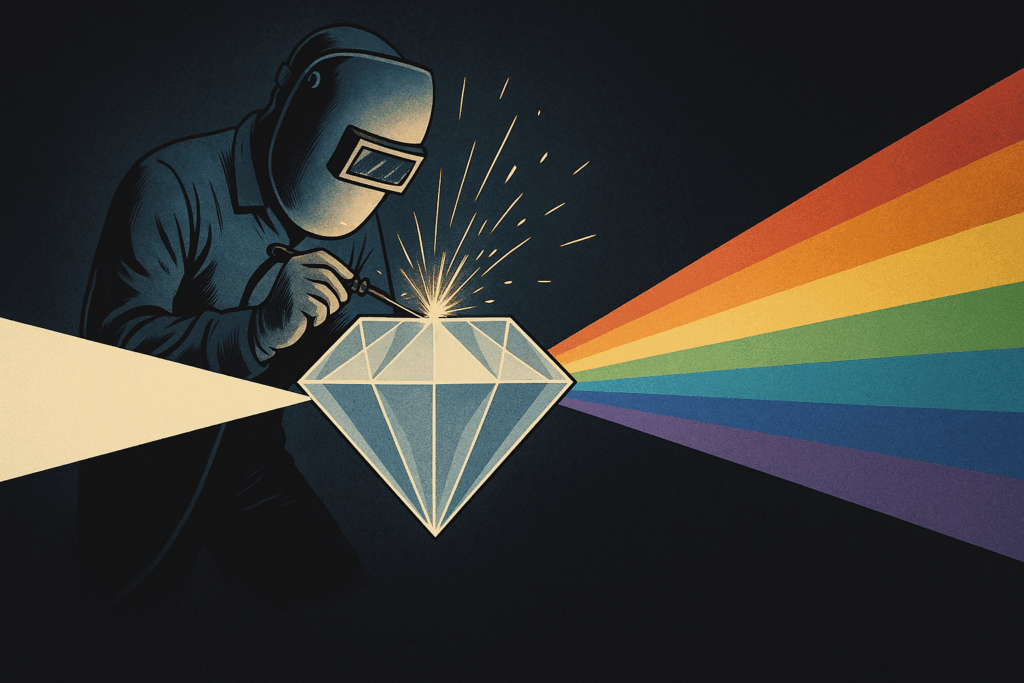
You notice patterns quickly. You sense shifts in energy. You catch irony early. Then your mind jumps in to manage it.
Is this funny enough?
Is now the right time?
Will I have to explain this?
That management is what drains the moment of its charge.
Attraction lives in moments that aren’t explained. The second you justify, clarify, or soften an observation, you pull the listener out of recognition and into analysis.
Humor and attraction both disappear when explanation takes over.
The people who are attractive aren’t trying
Think about the people you find naturally magnetic.
They don’t rush to fill silence.
They don’t force jokes.
They don’t explain themselves to be liked.
They trust what they notice. They say less. They let moments breathe.
That trust reads as confidence, even when nothing overtly confident is happening.
Humor as presence, not performance
When humor is rooted in presence, it doesn’t feel like entertainment. It feels like intimacy.
It feels personal without being invasive.
Light without being careless.
Intelligent without being sharp.
This is why someone can be funny without telling jokes at all.
They’re simply relating honestly to what’s happening.
Why trying to be funny backfires
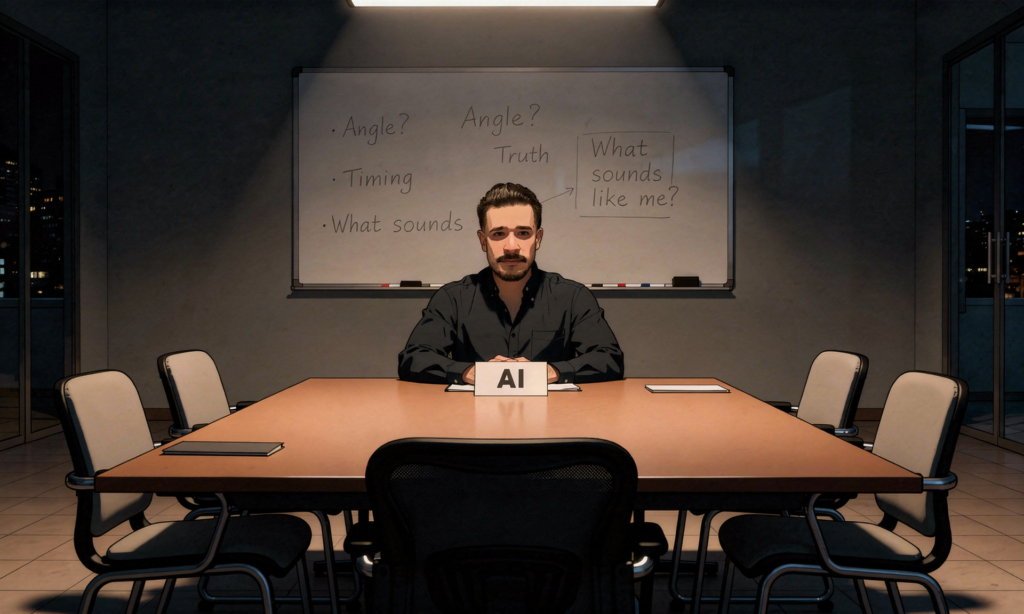
The moment you try to be funny, you shift your attention away from the moment and toward the outcome. You’re no longer with the person. You’re watching yourself.
People feel that.
It creates distance instead of connection.
Humor that creates attraction happens when you’re engaged with the moment, not evaluating it.
A simple shift that changes everything
Instead of asking, “Is this funny?” ask:
“Is this true?”
Truth lands faster than cleverness.
Truth doesn’t need justification.
Truth invites recognition.
When something feels true and you say it simply, humor often takes care of itself.
This is what comedy coaching is really about
Comedy coaching isn’t about learning jokes or becoming louder.
It’s about:
trusting your awareness
relaxing your need to manage reactions
letting recognition happen out loud
When you stop trying to be funny, you become easier to be around. More grounded. More attractive.
Not because you changed who you are.
But because you stopped getting in your own way.
If you’ve ever noticed the funny later, in the shower or on the drive home, it means you already have the skill. You just haven’t learned how to let it show up in real time yet.
And that’s a learnable shift.
If you’ve been overthinking moments that could’ve been funny, click here for comedy coaching that helps you trust what you already notice and turn that awareness into natural, effortless connection.